

Two of Greece’s Finest Islands, but Only One Will Suit Your Trip
Zakynthos and Kefalonia sit just a short ferry ride apart in the Ionian Sea. However, they offer very different travel experiences. Zakynthos pulls in package holidaymakers with its famous shipwreck beach and lively resorts. Kefalonia, by contrast, stays quieter, greener, and more suited to travellers who want space to breathe.
Choosing between them is not just about beaches. It involves thinking through your travel style, your budget, who you’re travelling with, and how much you want planned versus discovered. Furthermore, both islands have real flaws worth knowing before you book.
Who This Comparison Is For
This post is for people who have narrowed their Greek island shortlist to these two and need an honest breakdown. It covers beaches, costs, families, nightlife, food, accessibility, and practical logistics. Additionally, it includes specific names and real prices so you can start planning immediately.
The Short Answer, if You’re in a Hurry
Zakynthos suits first-time Greek island visitors, couples wanting easy beach access, and travellers on a moderate budget. Kefalonia suits returning visitors, families with older children, hikers, wine lovers, and anyone who finds crowded resorts exhausting. That said, read on because the full picture is more complicated.
- Geography and Island Size
- Beaches: the Real Differences
- Getting There and Getting Around
- Accommodation and Costs
- Food, Drink, and Local Dining
- Travelling with Children
- Nightlife and Social Scene
- Nature, Hiking, and Outdoor Activities
- Accessibility and Mobility
- When to Go and Seasonal Notes
- The Verdict: Which Island Wins for Your Trip
Geography and Island Size
Zakynthos: Compact and Easy to Cover
Zakynthos covers around 406 square kilometres. Most tourists stay in the eastern and northern coastal strip, where the resorts concentrate. The island splits broadly into a flat agricultural plain in the east and dramatic limestone cliffs in the west. Consequently, you can drive across the busiest part in under 40 minutes.
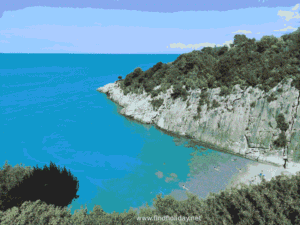
Zakynthos Town sits on the east coast and serves as the main hub. It has a pleasant Venetian-influenced centre that most package tourists skip in favour of the beach resorts. The western cliffs, particularly around the Cape Skinari area in the north, offer a completely different landscape from the sandy resort strips.
Kefalonia: Greece’s Largest Ionian Island
Kefalonia covers around 781 square kilometres, making it considerably larger. It takes around 90 minutes to drive from Argostoli, the capital, to Fiskardo in the far north, assuming you don’t stop. In addition, the roads are mountain roads, so you drive slowly and carefully.
The island contains multiple distinct zones: the capital Argostoli, the wine country around Robola vineyards, the earthquake-rebuilt village of Assos, the unspoiled fishing port of Fiskardo, and the beaches of the southeast around Skala and Katelios. As a result, Kefalonia genuinely rewards visitors who stay a week or more.
Beaches: the Real Differences
Zakynthos Has the Famous Shots, but the Crowds Are Real
Navagio, also called Shipwreck Beach, is one of the most photographed spots in all of Greece. Notably, you can only reach it by boat, which keeps the sand itself from becoming overrun. However, the boat trips from Porto Vromi or Cape Skinari cost around €15 to €25 per person and operate on fixed schedules. The beach itself is small. By midday in July and August, it is genuinely crowded.
Gerakas Beach in the south is one of the main loggerhead sea turtle nesting sites in the Mediterranean. Roped-off sections protect the nests, and a flag system governs when you can swim. The beach closes at sunset to protect the turtles. For families and wildlife lovers, this is compelling. For people who want a long evening swim, it is frustrating.
Laganas Bay has several kilometres of sandy beach and concentrates a significant part of the island’s tourist infrastructure. It is accessible, affordable, and extremely busy in high season. The water is warm and calm. That said, the proximity to bars and the volume of sunbeds gives it a package-resort feel that many travellers dislike.
Kefalonia’s Beaches Take More Effort but Reward You
Myrtos Beach draws immediate comparisons to Navagio in terms of visual drama. White pebbles and bright turquoise water sit below steep white cliffs. However, the sea at Myrtos is rough with an unpredictable swell, and there is no shade at all unless you bring your own umbrella. The road down is steep and narrow, which creates traffic jams in peak season. Additionally, the beach itself has no facilities, so pack water and food.
Antisamos Beach offers slightly calmer water and a more sheltered setting. It became known from the filming of Captain Corelli’s Mandolin and remains popular without reaching Myrtos levels of crowding. The taverna at the top of the road is reliable for a simple lunch.
Xi Beach in the south is a red-sand beach that surprises many visitors. The natural clay cliffs behind it are a local attraction. Xi stays less crowded than the northern beaches and suits families because the water is calm and shallow. Similarly, Katelios in the southeast is a low-key village beach where turtle sightings in the water are genuinely common.
Getting There and Getting Around
Flights and Ferry Connections
Both islands have their own airports. Zakynthos Airport receives direct charter flights from the UK, Germany, the Netherlands, and Scandinavia throughout the summer season, roughly May to October. Kefalonia Airport does the same, though with slightly fewer direct routes depending on your departure city. In both cases, low-cost carriers including Ryanair and easyJet operate routes, and prices vary significantly by booking timing.
From Athens, Kefalonia is around 55 minutes by air. Zakynthos is around 50 minutes. Ferries connect both islands to the Greek mainland ports of Killini and Patras. The Killini to Zakynthos ferry takes around 75 minutes and costs roughly €10 per person. The Killini to Kefalonia (Poros port) crossing takes around 90 minutes. Furthermore, a ferry runs directly between Zakynthos and Kefalonia (Pessada to Ag. Nikolaos) in summer, taking about 45 minutes. This makes island-hopping feasible within a single trip.
Getting Around Each Island
On Zakynthos, public buses connect the main resorts to Zakynthos Town. However, they run infrequently, and coverage of beaches in the west is poor. Renting a car or scooter is the practical choice for independent travellers. Car rental costs around €35 to €60 per day in high season from local operators. Book in advance because availability drops sharply in July and August.
On Kefalonia, public transport is even more limited. Buses serve some routes between Argostoli and the main towns, but the timetables are sparse. A rental car is not optional if you want to explore beyond your base. Rental prices are similar to Zakynthos, around €40 to €70 per day. The roads in the north are winding mountain roads with limited crash barriers. Drive slowly and allow extra time.
Accommodation and Costs
Zakynthos: Wide Range, Budget-Friendly Options Available
Zakynthos offers a broader range of accommodation types in the low-to-mid range than Kefalonia. Package holidays to Laganas, Tsilivi, and Alykanas remain popular and keep prices competitive. A decent studio apartment for two in Tsilivi in June costs around €60 to €90 per night. In July and August, the same property will cost €100 to €150.
The Porto Koukla Beach Hotel near Lithakia is a solid mid-range option on the quieter south coast, with a pool, a calm beach, and reasonable prices outside peak weeks. The Asteria Beach Hotel in Laganas is reliable for travellers who want everything on one strip, though the surroundings are very resort-oriented.
One honest warning: Zakynthos suffers from persistent noise issues in the resort areas. Laganas in particular is built around clubs and bars that stay open until dawn. Light sleepers should book somewhere away from the main strip, or accept the noise as part of the experience.
Kefalonia: Higher Average Prices, More Character
Kefalonia skews toward boutique properties, village apartments, and luxury villas rather than large resort hotels. This pushes the average nightly cost up. A simple studio near Argostoli runs around €70 to €100 per night in June. A boutique guesthouse in Fiskardo will cost €150 to €250 per night in peak season.
Fiskardo is the most expensive base on the island. It’s a beautifully preserved village in the far north, the only settlement that avoided the catastrophic 1953 earthquake that destroyed most of Kefalonia. Movers and shakers, including yacht crews and wealthier tourists, gravitate here. The restaurants are pricier and the atmosphere is noticeably more exclusive.
For families or groups, renting a villa in the Svoronata or Lourdata areas offers good value and private pool access. Similarly, the Olga Hotel in Argostoli is a reliable, centrally located option for travellers who want to base themselves in the capital.
Food, Drink, and Local Dining
Zakynthos: Resort Food Dominates, but Local Spots Exist
The resort areas of Zakynthos are full of restaurants serving pasta, pizza, and English breakfasts alongside Greek dishes. Quality varies enormously. In Laganas, menus compete on price more than on food. However, Zakynthos Town itself has a handful of genuinely good tavernas that locals also use.
Malanos Restaurant on the main square in Zakynthos Town has been serving traditional Greek food for decades. Portions are generous, prices are fair, and the moussaka is made properly. In addition, Komis Fish Taverna near the harbour is worth the short trip for fresh grilled fish. Expect to pay around €12 to €18 per person for a main course with a glass of local wine.
Zakynthos produces decent olive oil and a local soft white cheese called ladotyri. Few tourists seek these out, which is a shame. The island’s local dish is sofrito, which is veal or beef cooked slowly in white wine, garlic, and parsley. It appears on menus across the island and is worth ordering at least once.
Kefalonia: Stronger Local Food Culture
Kefalonia has a more distinct local food identity. The island’s signature dish is kreatopita, a meat pie made with local spiced lamb or goat baked in phyllo pastry. You’ll find it at bakeries and tavernas throughout Argostoli. Robola wine, produced from grapes grown in the island’s central highlands, is genuinely good and worth buying directly from the cooperative winery near Fragata, where tasting visits cost very little.
Patsouras Taverna in Argostoli is a long-standing local favourite for honest Greek cooking at sensible prices. In Fiskardo, Tassia Restaurant has a reputation built over decades on fresh seafood, though prices reflect the location. Meanwhile, in the south, the taverna at Katelios Beach serves excellent grilled fish caught locally.
One limitation: Kefalonia’s restaurant scene closes early by comparison with resort islands. Many kitchens stop serving by 10pm, and in smaller villages, options close even earlier. Plan accordingly if you’re a late eater.
Travelling with Children
Young Children: Zakynthos Has Easier Logistics
Families with babies or toddlers will find Zakynthos more straightforward. The flat terrain around the main resorts makes pushchair navigation manageable. The beaches in Tsilivi and Alykanas have shallow water, easy access, and sunbed rental nearby. Supermarkets in the resort areas stock nappies, formula, and most baby supplies without difficulty.
If you’re planning your first big trip with a baby, it’s worth reading through a comprehensive guide to flying with a baby for the first time before you travel, as Ionian airport transfers add extra complexity. Additionally, choosing the right pushchair matters a lot on these islands, so our guide to choosing the best travel stroller for different terrains covers what works on sandy and cobbled surfaces.
One honest note: the beach at Gerakas closes in the evening, and parts of it are roped off during turtle nesting season. Young children who want an unlimited beach day may find this confusing or disappointing. Laganas Bay is better for families who want full-day, unrestricted beach access.
Older Children and Teenagers: Kefalonia Offers More
Families with children aged eight or older who enjoy exploring will get more from Kefalonia. The island has sea kayaking tours, cave visits at Melissani Lake, hiking trails, and snorkelling spots that genuinely engage older kids. Melissani Lake, where you take a rowing boat through an underground lake lit by a hole in the cave ceiling, costs around €8 per person and impresses almost everyone.
Drogarati Cave near Sami is another worthwhile stop. Guided visits take around 30 minutes and cost roughly €5 per person. For older children interested in history, the Cephalonia Botanica garden in Argostoli and the small but interesting Korgialenio History and Folklore Museum add context to the island.
Nightlife and Social Scene
Zakynthos: One of the Ionian’s Liveliest Scenes
Zakynthos, and Laganas in particular, has a nightlife reputation that precedes it. The main strip in Laganas runs clubs and bars until dawn in July and August. Shots bars, themed nights, and foam parties attract a mostly young British and Scandinavian crowd. This is exactly what some travellers want and exactly what others book to avoid.
Beyond Laganas, the nightlife mellows significantly. Zakynthos Town has bars and restaurants that stay open late without the club-strip atmosphere. Alykes and Tsilivi offer middle-ground options: relaxed bars with music that close around midnight rather than 4am. Consequently, the island caters to a wider range of social preferences than its party reputation suggests.
Kefalonia: Quieter, with Some Good Bars
Kefalonia does not compete with Zakynthos on nightlife volume. Argostoli has a pleasant bar scene concentrated around Lithostroto, the main pedestrian street, and the waterfront. Bars stay open until around 1am or 2am. The atmosphere is relaxed and local rather than tourist-resort. Furthermore, Fiskardo has sophisticated cocktail bars frequented by the sailing crowd.
For travellers who find loud resorts exhausting, Kefalonia’s quieter evenings are a genuine selling point. That said, if you’re travelling specifically for nightlife, Zakynthos is the better choice without question.
Nature, Hiking, and Outdoor Activities
Wildlife and Water Activities on Zakynthos
The loggerhead sea turtle, known as Caretta caretta, makes Zakynthos one of its most important Mediterranean nesting sites. ARCHELON, the Sea Turtle Protection Society, runs guided beach walks at Gerakas and Sekania beaches that explain the nesting process. These are free or low-cost and highly worthwhile. In addition, snorkelling trips in the Blue Caves near Cape Skinari reveal unusual geological formations and reasonably clear water.
Zakynthos does not offer serious hiking in the way that larger Greek islands do. The western cliffs are scenic but not walkable from the resort side. Water sports including jet skiing, parasailing, and banana boats concentrate around Laganas and Tsilivi beaches and satisfy active travellers who prefer water to land.
Scuba diving operates from several centres around the island. Turtle spotting dives and reef dives around the Keri Caves are popular. Operators charge around €50 to €80 for a guided dive. The water visibility in the Ionian is generally good, and beginner-friendly dive sites are accessible.
Kefalonia’s Stronger Case for Outdoors Lovers
Kefalonia gives serious outdoors travellers significantly more to work with. Mount Ainos, the island’s highest peak at around 1,628 metres, sits within a national park and supports a native fir forest found nowhere else in the world. Day hikes to the summit reward with views across to Zakynthos, the mainland, and on clear days, Ithaca. The trail is not technically difficult but requires solid footwear and a few hours.
Sea kayaking tours depart from Antisamos and circle parts of the coastline that road access never reaches. Half-day tours cost around €45 to €60 per person and are widely available in summer. Moreover, the Melissani Lake boat tours and Drogarati Cave visits add a geological dimension that Zakynthos simply cannot match.
If water sports and surfing interest you more broadly, it’s worth knowing that the Ionian Sea is generally calmer than the Aegean for most of the summer. Travellers interested in surf destinations might find our guide to surfing destinations across Greece useful context before deciding between island-hopping and a surf-focused trip.
Accessibility and Mobility
Zakynthos Has More Flat Terrain
Zakynthos suits travellers with limited mobility better than Kefalonia in the resort areas. The coastal plain around Tsilivi, Laganas, and Alykes is largely flat. Several hotels have accessible rooms and pools with steps or ramps. The sandy beaches are easier to navigate with mobility aids than the pebble beaches on Kefalonia.
However, Zakynthos Town itself has uneven pavements, steep side streets, and a harbour area that requires care. Navagio Beach is accessible only by boat and has no facilities for wheelchair users. Sea cave tours involve boarding and disembarking small boats, which presents challenges for travellers with limited upper body strength or balance issues.
Kefalonia Requires More Planning
Kefalonia is more challenging for travellers with mobility needs. The island’s mountainous terrain means that many villages and viewpoints involve steep roads and uneven ground. Myrtos Beach, despite its fame, has a steep winding descent and a pebble surface that is hard to cross with a wheelchair or walking frame.
For travellers planning trips around accessibility in Europe more broadly, our guide to disabled-friendly travel destinations across Europe covers accommodation standards, transport options, and beach access in detail across multiple countries.
Argostoli town is the most accessible part of Kefalonia, with a flat waterfront promenade, several accessible hotel options, and a main street that is mostly walkable. Skala in the south is another relatively flat resort area with sandy beach access. In both cases, plan ahead and contact accommodation directly to confirm specific requirements before booking.
When to Go and Seasonal Notes
Shoulder Season Is the Right Answer for Both Islands
May, early June, September, and early October offer the best combination of good weather, lower prices, and thinner crowds on both islands. Sea temperatures in May are cooler, around 19 to 21 degrees Celsius, but manageable for swimming. By September, the sea has warmed to around 24 to 25 degrees, which many swimmers prefer.
July and August bring peak prices, full beaches, and the heaviest tourist traffic. Temperatures regularly reach 33 to 36 degrees Celsius. Both islands become significantly harder to enjoy in the midday heat, and accommodation availability is limited without advance booking.
What Happens When the Season Ends
Both islands close down substantially from late October onwards. Most restaurants, rental companies, and tourist services shut until April or May the following year. Kefalonia has a larger year-round resident population and keeps more services open through the winter. Zakynthos also maintains some services, but the resort areas become genuinely quiet.
Travelling in November through March is possible but requires self-sufficiency. Several hotels in Argostoli and Zakynthos Town remain open for business travellers and determined off-season visitors. However, many beaches have no facilities, and ferry services run on reduced winter schedules.
Additionally, October through April brings the highest rainfall of the year. Kefalonia’s lush green landscape in spring is partly a result of this rainfall. Travellers visiting in late April or early May often find both islands at their most beautiful, with wildflowers covering the hillsides before the summer heat burns everything brown.
The Verdict: Which Island Wins for Your Trip
Choose Zakynthos If…
Zakynthos suits you if this is your first Greek island holiday and you want straightforward beach access, lively surroundings, and easy logistics. It also suits couples looking for a mix of good beaches by day and bars by night. Furthermore, it suits budget travellers who want competitive package prices and a wide range of accommodation at lower price points.
It suits wildlife lovers who specifically want to see loggerhead turtles. It also suits travellers who want the iconic Shipwreck Beach photograph in their collection. That said, go with realistic expectations: Zakynthos in high season is not a quiet or serene destination. It is busy, commercial in places, and sometimes noisy. The island’s western cliffs and northern cape offer a quieter side, but reaching them requires your own transport.
Choose Kefalonia If…
Kefalonia suits you if you’ve done the busy Greek island thing before and want something more varied. It suits couples, solo travellers, and families with older children who want hiking, caves, wine tasting, and beaches that feel less managed. Moreover, it suits travellers who are happy to drive, are comfortable with slightly higher costs, and want accommodation with more character than a resort strip hotel can offer.
It also suits travellers who want to base themselves somewhere genuinely interesting: Fiskardo for atmosphere, Argostoli for practicality, or the south coast for quiet. One limitation to acknowledge honestly: Kefalonia rewards slow travel. If you only have five nights, you may feel slightly rushed to cover the island properly.
Both islands are worth visiting at least once. However, the traveller who will enjoy Zakynthos most and the traveller who will enjoy Kefalonia most are genuinely different people. Think honestly about which description fits you, book the right one, and stop wishing you’d chosen the other. Both islands have more than enough to keep a curious, well-prepared traveller very happy indeed.


Leave A Reply