

Last updated: May 2026 · Reading time: ~17 minutes
The month you choose decides which Paros you actually get
Paros shifts dramatically through the year, and the calendar shapes everything. The island that hums with bars in August falls quiet by November. Visitors who plan around the season find the trip they wanted. Those who guess often arrive surprised, sometimes unpleasantly.
I have spent time on Paros across spring, summer, and autumn alike. Furthermore, I have watched people land in August expecting calm and meet crowds instead. The island rewards travelers who match their hopes to the month. This guide walks through all twelve, with honest notes on each.
Why Paros suits so many kinds of trips
Paros sits in the heart of the Cyclades, well connected by ferry. Specifically, it balances lively towns with quieter corners better than most. Naoussa brings nightlife, while inland villages stay calm. That range lets very different travelers enjoy the same island.
The island also handles the summer wind reasonably well. As a result, several beaches stay swimmable when the meltemi blows. Some coves shelter from the north, while others face it head-on. Knowing this helps you plan each beach day.
How to read this month-by-month guide
Each month below covers weather, sea, crowds, and prices honestly. Additionally, I flag the wind, which shapes any Paros beach plan. The meltemi defines high summer here more than the heat. Read the wind notes before locking in peak dates.
I include an honest negative for every month too, since none is flawless. For example, the warmest sea arrives with the heaviest crowds. The calmest villages come with cooler swimming. Weigh these trade-offs against your own priorities.
What this guide covers
Jump to any month or topic
- Paros in winter: December to February
- March and April: early spring
- May: the island wakes up
- June: the sweet spot
- July: heat and wind arrive
- August: peak everything
- September: the smart choice
- October: winding down
- November: the quiet return
- Best beaches by conditions
- Water sports and the wind
- Planning your Paros trip
- The final word on timing
Paros in winter: December to February
Winter returns Paros to its local self, with few visitors around. The island keeps living through the cold months. Cool, wet, and quiet, it suits a particular traveler. Below I cover what winter actually delivers.
Weather, sea, and village life
Winter days hover around 12 to 15 degrees Celsius. Rain falls often, and storms can cut ferry links for days. The sea turns cold and rough, ending any swimming. Nevertheless, Parikia and Naoussa keep a real local pulse year-round.
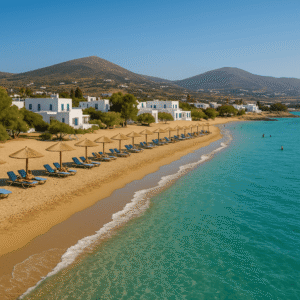
The old quarters reward off-season walks without any crowds. Tavernas serve hearty winter food at honest local prices. For example, a full meal can cost twelve euros per person. Meanwhile, hotel rates sink to their lowest of the year.
The honest downsides of winter
Most beach businesses and resorts close fully until spring. Consequently, the coast feels shuttered and empty. Ferry cancellations from storms are a genuine risk. Build flexibility into any winter plan here.
Swimming is off the table for nearly everyone now. The water sits far too cold without a wetsuit. Daylight stays short, limiting your sightseeing hours. Come for quiet and culture, never for the beach.
March and April: early spring
Spring wakes Paros slowly, turning the hills green and floral. Wildflowers spread after the winter rains. Mild and fresh, the weather favors walkers over swimmers. Below I explain what these months bring.
Hiking, flowers, and Easter
March and April bring daytime highs of 16 to 20 degrees. The countryside looks its greenest before summer scorches it. For walking, the Byzantine trail between Lefkes and Prodromos shines now. Greek Easter, often in April, fills the island with tradition.
Easter week draws Greek visitors and lively local rituals. Notably, the processions and food reward anyone present then. Prices stay moderate outside the Easter peak itself. Meanwhile, the sea remains too cool for relaxed swimming.
What spring cannot offer yet
Beach life has barely begun by March and April. As a result, many tavernas and resorts stay closed. The sea sits around 16 degrees, bracing at best. Only the hardiest swimmers brave it without a wetsuit.
Wind and rain still arrive without much warning. Therefore, pack layers and a waterproof jacket. Ferry schedules run thinner than in summer. Plan around the reduced sailings with care.
May: the island wakes up
May is when Paros truly opens, rewarding early-season visitors. Warm days arrive while crowds stay thin. Beach businesses reopen steadily through the month. Below I cover why May appeals to many.
Warm days and open space
May temperatures climb to a comfortable 22 to 25 degrees. Golden Beach and Kolymbithres sit nearly empty now. For early swimming, the sea reaches around 19 degrees by late May. Bold swimmers enjoy it, though it still feels fresh.
Prices stay well below summer levels across the board. Hotels and tavernas reopen with plenty of space. Meanwhile, the air feels clean before the summer haze. Families appreciate the gentle pace and low crowds.
The catch with visiting in May
The sea still feels cool for young children in May. As a result, long swims test most visitors early on. Some beach bars open only late in the month. Check opening dates before booking around specific spots.
Wind can still gust hard on exposed coasts. That said, it rarely reaches high-summer force yet. A few rainy days remain possible. Pack a light layer for cooler evenings.
June: the sweet spot
June stands out as the finest all-round month on Paros for many. Warm seas meet manageable crowds and long days. The meltemi has not yet hit its peak. Below I explain why June earns the praise.
Warm sea and long evenings
June temperatures sit around 26 to 29 degrees, warm but kind. The sea warms to a pleasant 22 degrees by mid-month. For families, this blend works beautifully. Children swim in comfort while parents relax nearby.
Daylight stretches long into the evening through June. The beaches stay busy without ever overwhelming. Meanwhile, prices have not reached their August ceiling. If you travel with little ones, our guide to a baby’s first flight smooths the journey to the island.
June’s honest limitations
The meltemi wind starts stirring by late June. Consequently, exposed beaches can turn choppy on windy days. Crowds also build steadily toward month’s end. Early June stays calmer than late June overall.
Accommodation prices climb noticeably from mid-June. Book ahead to lock in the better rates. Popular spots fill faster on weekends. Plan your beach days around the wind forecast.
July: heat and wind arrive
July delivers full summer heat alongside the island’s defining wind. The meltemi blows hard and often now. Hot, busy, and breezy, the month divides opinion sharply. Below I cover the realities of a July trip.
Heat, wind, and busy sand
July temperatures reach 30 to 33 degrees most days. The sea warms to a lovely 24 degrees, ideal for long swims. However, the meltemi picks up sharply as the month goes on. Some afternoons turn the exposed beaches rough and sandy.
Paros has long drawn windsurfers to its breezy east coast. Specifically, the sheltered bays near Parikia stay calmer for swimming. Pounta faces the wind, while Livadia shelters from it. Meanwhile, the wind that annoys sunbathers delights the kitesurfers.
The downsides of July crowds
Crowds swell hard through July across the popular beaches. As a result, sunbeds fill early on the main stretches. Prices climb toward their summer peak. Book accommodation well ahead for July dates.
The wind genuinely disrupts beach plans on bad days. Therefore, keep your beach choices flexible and wind-aware. Ferries occasionally cancel when the meltemi rages. Allow buffer time for any island connections.
August: peak everything
August pushes Paros to its busiest, hottest, priciest extreme. Half of Greece seems to travel now. Crowded and loud, it overwhelms some and thrills others. Below I share the honest August picture.
The peak-season reality
August temperatures hold at 30 to 34 degrees through the month. The sea reaches its warmest, around 25 degrees. For swimming warmth alone, August wins outright. However, the meltemi often blows at its fiercest now too.
Greek families flood the island during their own holidays. Consequently, beaches, tavernas, and ferries run at capacity. Naoussa’s nightlife peaks in energy and noise. Meanwhile, the sheltered western bays offer the calmest water.
Why August frustrates many visitors
Prices hit their yearly ceiling across all services. As a result, accommodation costs double or more over shoulder months. Booking months ahead becomes essential, not optional. Last-minute August trips rarely end well.
The crowds test anyone craving calm or space. The strong meltemi can blow for days without pause. Ferry disruption peaks alongside the wind. Choose August only if buzz and warmth outweigh the chaos for you.
September: the smart choice
September may be the single best month to visit Paros overall. The sea stays warm while crowds drain away. The wind eases compared to high summer. Below I explain why regulars favor it.
Warm water, thinning crowds
September temperatures ease to a comfortable 26 to 29 degrees. The sea holds its summer warmth near 24 degrees. For swimming, this beats almost any other month. Crowds drop sharply once Greek holidays end early on.
The meltemi weakens noticeably as September moves along. Beaches that churned in August settle down again. Meanwhile, prices fall back from their peak. Families enjoy warm seas without the August squeeze.
September’s small drawbacks
Early September still carries crowds and high prices. As a result, the first week feels close to August. A few businesses begin closing late in the month. Some beach bars wind down after mid-September.
The odd early storm can appear toward month’s end. That said, most days stay warm and settled. Daylight shortens gradually through September. Plan beach time earlier rather than later each day.
October: winding down
October closes the main season as the warmth slowly fades. The sea stays swimmable early in the month. Mild and quiet, it suits crowd-averse travelers well. Below I cover what October still offers.
Mild days and empty beaches
October temperatures settle around 22 to 25 degrees early on. The sea holds enough warmth for swimming until mid-month. For a quiet beach trip, the empty sand truly appeals. Prices drop steadily as the month rolls on.
The island feels local and relaxed again in October. Tavernas in Parikia and Naoussa stay open and welcoming. Meanwhile, the hiking improves as the heat lifts. For wider regional planning, our guide to a Europe road trip with a baby helps if Paros is one stop among many.
The limits of an October visit
Many beach businesses close from mid-October onward. As a result, the coast grows quiet and shuttered. Rain returns more often late in the month. The sea cools past comfort by late October.
Ferry schedules thin out as the season ends. Therefore, check sailings carefully before booking. Daylight shortens noticeably now. Plan your days around the earlier sunsets.
November: the quiet return
November returns Paros to its off-season calm and local rhythm. Tourists largely disappear for the year. Cool and often wet, it firmly ends the beach season. Below I explain what still rewards a visit.
Local life and low prices
November temperatures drop to 17 to 20 degrees by day. Parikia stays active with everyday local life. For culture and quiet, the absence of crowds appeals. Hotel prices fall toward their winter lows.
The countryside stays green after the autumn rains. Walking remains pleasant on the milder days. Meanwhile, tavernas serve seasonal food to a local crowd. The honest pace suits slow, reflective travel.
Why November suits few beach lovers
Swimming ends for almost everyone by November. As a result, the beaches sit empty and cool. Many resorts and beach tavernas have closed by now. The coast offers little for sun seekers.
Rain and wind grow more frequent through the month. Ferry disruption becomes a real possibility again. Daylight runs short and the air feels cool. Pack warm layers and plan indoor backups.
Best beaches by conditions
Paros beaches respond very differently to the wind, so choosing well matters. The east coast catches the meltemi head-on. The western and southern bays stay calmer. Below I match beaches to conditions.
Sheltered choices for windy days
On windy days, favor the more protected western and southern coves. Kolymbithres, near Naoussa, shelters among smooth rock formations. For families, its shallow calm water suits small children. Livadia and Parikia beaches also sit out of the worst north wind.
Golden Beach and New Golden Beach stretch wide on the east coast. However, both catch the meltemi and draw the windsurf crowd. Santa Maria offers fine sand but feels exposed too. Check the forecast and pick your beach to match.
The honest beach trade-offs
The widest, finest beaches often face the worst wind. As a result, perfect calm and perfect sand rarely line up. Organized beaches charge for sunbeds and umbrellas. A set can cost fifteen to twenty euros per day.
The wilder bays lack shade and facilities entirely. Therefore, bring water, food, and an umbrella yourself. Reaching the quieter spots often needs a car or scooter. Public buses serve only the main beaches reliably.
Water sports and the wind
The same meltemi that annoys sunbathers makes Paros a wind-sports hub. Windsurfers and kitesurfers chase the summer breeze. Golden Beach hosts international competitions most years. Below I cover the options and their seasons.
Windsurfing, kitesurfing, and lessons
Golden Beach and New Golden Beach anchor the wind-sports scene. The reliable summer wind draws riders from across Europe. Several schools rent gear and teach beginners on site. A group lesson runs roughly fifty euros for a couple of hours.
July and August bring the strongest, steadiest wind. For learning, June and September offer gentler conditions. Meanwhile, complete beginners should start in the lighter shoulder months. Greece offers wider coastal adventures too, and our guide to surfing in Greece covers spots beyond Paros.
Honest notes on water sports
The wind that powers kitesurfing can overwhelm beginners fast. As a result, lessons sometimes cancel when gusts turn dangerous. Equipment rental adds up quickly over several days. Budget realistically for a full week of sessions.
Calm-water activities suffer on the windiest days. Therefore, snorkeling and paddleboarding work best in early summer. The exposed beaches make casual swimming harder then. Match your chosen activity to the month and forecast.
Planning your Paros trip
Good planning turns a Paros visit from frustrating to memorable. Ferries, accommodation, and transport all need thought. The island rewards those who prepare. Below I share the practical essentials.
Getting there and getting around
Ferries from Athens (Piraeus) take three to five hours depending on the boat. Fast ferries cost more but cut the journey sharply. A small airport also links Paros to Athens by short flight. For exploring the island, renting a car opens up the quieter southern beaches.
Parikia, Naoussa, and the main beaches connect by regular buses. However, the remote coves need your own wheels. Scooters suit couples, while families do better with a car. Book rentals ahead in July and August.
Where to stay and honest booking tips
Naoussa suits those wanting nightlife and dining near the harbor. Parikia offers more services and the main ferry port. For quiet, the inland village of Lefkes feels remote yet lovely. Prices swing hugely between shoulder and peak season.
Book months ahead for any July or August stay. As a result of high demand, good-value rooms vanish early. Families needing space should secure apartments well in advance. If you travel with a young child, our guide to choosing the best travel stroller helps pick a model for sandy paths.
Paros rewards travelers who read the calendar before booking, and the wind matters as much as the sunshine. June and September stand out as the smartest picks, blending warm seas with bearable crowds and gentler breezes. July and August bring the hottest water, yet they hand you the strongest meltemi and the steepest prices. Spring offers flowers and hiking, while autumn gives empty sand and warm swims for a short window. Choose the sheltered western bays on windy days, head to Golden Beach if the breeze excites rather than irritates you, and always check the forecast before deciding where to swim. Whatever month you settle on, match it honestly to what you want from the island. Do that, and Paros gives you the trip you pictured, rather than the windblown surprise that catches the unprepared.


Leave A Reply