

Cobblestones, crowds, and the truth about strollers in the Eternal City
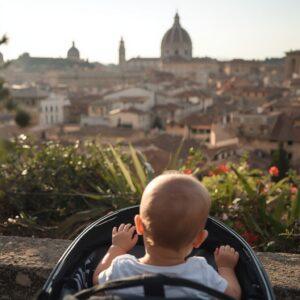
Rome is glorious and exhausting in equal measure. With a baby or toddler, it becomes a different challenge entirely. The cobblestones rattle every stroller wheel. The crowds swallow small children near the big sights. Yet plenty of families have wonderful trips here with the right plan.
I have walked Rome with a toddler in tow and learned the hard lessons. Some famous attractions work beautifully with little ones. Others simply waste your energy and their patience. Therefore I want to separate what genuinely works from what you should happily skip.
Why Rome tests parents more than most cities
Rome packs its sights into a dense, hilly centre. The streets predate prams by centuries. Furthermore, the summer heat punishes babies and toddlers hard. Shade can be scarce around the open ruins and squares.
Crowds add another layer of stress. The Trevi Fountain and Vatican draw enormous throngs. Consequently you spend energy just protecting your child from the crush. So a smart plan matters far more here than in a calmer city.
What “works” actually means with young children
Working does not mean the textbook highlight. It means a sight your child tolerates while you enjoy something real. Moreover, it means easy exits, nearby shade, and a place to feed or change. For example, a park beats a queue every single time with a toddler.
I judge each Rome experience by that standard throughout this guide. Some legendary attractions fail it completely. Others surprise you with how well they suit small visitors. So I rate them honestly, not by their fame.
Table of Contents
- Getting around Rome with a stroller
- Where to stay with a baby or toddler
- The big sights that actually work
- The famous sights worth skipping
- Parks and green space that save the day
- Eating out with little ones
- Practical logistics: feeding and changing
- The best time of year to come
- Getting from the airport with a baby
- A realistic sample day
- Honest warnings nobody mentions
- My final take on Rome with a toddler
Getting around Rome with a stroller
The cobblestones are the first shock for most parents. Rome’s famous sampietrini stones rattle everything, including your baby. Furthermore, the historic centre rewards walking over public transport. So your stroller choice shapes the entire trip.
I learned this within an hour of arriving. A flimsy umbrella buggy nearly fell apart on the stones. So think hard about wheels before you fly.
The stroller versus carrier debate
A sturdy stroller with decent wheels copes far better than a cheap one. The small, hard wheels suffer most on cobbles. Moreover, a soft carrier often beats any stroller in the old centre. Many parents bring both and switch as needed.
I leaned on a carrier for the roughest streets near the Forum. The stroller stayed folded for those stretches. Our guide to choosing the best travel stroller for rough terrain covers which models survive cobbles like Rome’s. So test your gear before you commit to it.
Buses, metro, and the accessibility gap
Rome’s metro has only a few lines and patchy lift access. Stations often mean long stairs with a stroller. By contrast, buses cover the centre more thoroughly. Still, they get crowded and bumpy at peak times.
One honest warning applies here. Many metro stops lack working lifts entirely. Therefore I planned routes around the step-free stations only. For families needing fuller accessibility detail, our disabled-friendly Europe travel guide covers step-free planning across major cities.
Where to stay with a baby or toddler
Your neighbourhood choice affects everything in Rome. A central base cuts down on exhausting transport. Furthermore, staying near a park gives you a daily escape valve. So location beats luxury with small children.
I would prioritise walkability over a fancy hotel name. The right street saves hours of hassle. So choose your area before you choose your room.
The best neighbourhoods for families
Monti sits close to the Colosseum and feels relatively calm. It has flat-ish streets and good restaurants. Prati, near the Vatican, offers wider pavements and easier stroller routes. Both suit families better than the tight historic core.
Trastevere tempts many visitors with its atmosphere. However, its narrow cobbled lanes punish strollers badly. The evening noise can also wake light-sleeping babies. So I steer parents of young children elsewhere.
Apartments versus hotels
An apartment often beats a hotel for families here. A kitchen lets you prepare familiar food and warm milk. Moreover, separate rooms let parents stay up after bedtime. Many Roman apartments sit in old buildings, though.
Check for a lift before booking any apartment. Hauling a stroller up four flights gets old fast. Notably, some listings hide the stair count in the fine print. So message the host directly to confirm before paying.
The big sights that actually work
Some of Rome’s famous sights genuinely suit small children. The open spaces and outdoor settings help enormously. Furthermore, a few offer shade, room to roam, and easy exits. So these earn their place on a family itinerary.
I judge these by how my toddler actually coped. The winners share a pattern of space and flexibility. So here are the ones worth your limited energy.
The Colosseum and Forum, with caveats
The Colosseum impresses even small children with its scale. The outer areas give space to walk and look. However, the interior involves crowds, queues, and uneven ground. So book a timed ticket and keep the visit short.
The Roman Forum works better with a carrier than a stroller. The gravel paths and slopes defeat wheels quickly. Meanwhile the lack of shade makes midday brutal in summer. So visit early and pack water and a hat.
Villa Borghese and the open sights
Villa Borghese is the single best family spot in Rome. The huge park lets toddlers run freely. Furthermore, you can rent bikes and family carts there. The gardens offer shade, space, and a break from the stones.
The Piazza Navona and Pantheon also work in short bursts. Both sit at street level with no climbing. Notably, the Pantheon is free and quick to see. So you can dip in and out without a major commitment.
The famous sights worth skipping
Not every Rome highlight suits a baby or toddler. Some drain your energy for little reward. Furthermore, a few become genuinely stressful with a small child. So I happily skip these on family trips.
Skipping famous places feels wrong to some travelers. Let go of that guilt with young children. So consider these honestly before you queue.
The Vatican Museums reality
The Vatican Museums overwhelm most toddlers completely. The crowds pack tight for hours on end. Moreover, the no-stroller stretches and strict rules add stress. The Sistine Chapel demands quiet that toddlers cannot give.
I attempted this once and regretted it fast. The crush near the chapel frightened my child. Therefore I now suggest skipping it entirely with under-fives. So save Michelangelo for a future, kid-free trip.
The Trevi Fountain crush
The Trevi Fountain looks magical in photos. In reality, it sits jammed with people most hours. Furthermore, the tight space makes strollers nearly useless there. Pickpockets also work the dense crowds actively.
I held my toddler tight and still felt uneasy. The experience lasted two minutes for all that effort. So visit at dawn if you must, or skip it. Meanwhile a quiet gelato nearby pleases a child far more.
Parks and green space that save the day
Parks are your secret weapon in Rome with kids. They offer shade, space, and a release from sightseeing. Furthermore, they cost nothing and need no booking. So I build at least one park stop into every day.
A tired toddler ruins any sightseeing plan fast. A good park resets the whole mood. So treat green space as essential, not optional.
Villa Borghese and Villa Doria Pamphili
Villa Borghese sits central and packs in attractions. There is a small zoo, a lake, and bike rentals. By contrast, Villa Doria Pamphili is bigger and wilder. It draws fewer tourists and more local families.
Both parks give toddlers room to burn energy. The shade matters enormously in summer. Notably, Villa Doria Pamphili sits a little further out. So factor in extra travel time to reach it.
Smaller green escapes near the sights
The Orange Garden on the Aventine Hill offers calm and views. It rarely gets as crowded as the big sights. Furthermore, the nearby streets stay quiet and walkable. A short stop here soothes a fractious child well.
The Circus Maximus gives a huge open space to roam. There is little to see historically, though. Meanwhile the lack of shade limits midday visits. So come in the cooler hours for a free run-around.
Eating out with little ones
Roman restaurants generally welcome children warmly. Italians adore babies and toddlers openly. Furthermore, the food itself suits young palates well. So eating out causes less stress here than in many cities.
Timing trips up many foreign families, though. Roman kitchens often open late for dinner. So adjust your expectations around the local clock.
Where toddlers eat happily
Simple trattorias beat fancy restaurants every time. Pasta with butter or tomato pleases nearly every toddler. Moreover, pizza al taglio shops let you grab a slice fast. These cheap, quick options save many a meltdown.
I leaned heavily on pizza al taglio between sights. The por-weight slices cost just a few euros each. For example, places near Campo de’ Fiori serve them all day. So you never have to wait for a kitchen to open.
The late dinner problem
Roman restaurants rarely open for dinner before 7:30pm. That clashes badly with early toddler bedtimes. By contrast, lunch runs at a more child-friendly hour. So I made lunch our main restaurant meal.
One workaround helped us enormously. We ate a big late lunch and a light room picnic at night. Notably, supermarkets and delis stock easy picnic food. So the apartment kitchen earned its keep again here.
Practical logistics: feeding and changing
The practical side of Rome with a baby needs real planning. Changing tables are rarer than back home. Furthermore, finding a quiet feeding spot takes some thought. So I scouted these basics in advance each day.
Nobody enjoys this part of trip planning. Still, it prevents genuine stress on the ground. So sort the logistics before you set out.
Changing tables and feeding spots
Public changing tables are scarce across central Rome. Many cafés and restaurants lack them entirely. By contrast, large department stores like Rinascente offer good facilities. Museums sometimes provide them too, when you are inside.
Breastfeeding in public draws little fuss in Rome. Locals take it in their stride. Notably, a quiet church or park bench gives privacy if you want it. So you rarely need to hunt far for a feeding spot.
Pharmacies, supplies, and tap water
Italian pharmacies stock excellent baby supplies. The green cross signs appear on most streets. Furthermore, staff often speak some English and give good advice. So you can replace forgotten items easily enough.
Rome’s famous nasoni fountains pour clean, free drinking water. They appear all over the centre. Meanwhile the water is safe and cold, ideal for refilling bottles. So you save money and stay hydrated in the heat.
The best time of year to come
Season makes a huge difference with young children. Roman summers turn brutally hot and crowded. Furthermore, the heat hits babies and toddlers hardest of all. So timing your visit well prevents real misery.
I would avoid July and August with little ones. The shoulder seasons suit families far better. So aim for spring or autumn if you can.
Spring and autumn sweet spots
April, May, and October offer the best balance. The temperatures stay mild and pleasant. Moreover, the crowds thin compared to peak summer. Walking the city feels comfortable rather than draining.
Easter week is the exception to avoid, though. Pilgrim crowds swell the centre enormously then. Notably, hotel prices spike around the holiday too. So check the Easter dates before you book.
Surviving summer if you must
Sometimes school holidays force a summer trip. If so, start your days at dawn and rest at midday. Furthermore, the early hours give cooler air and thinner crowds. The siesta approach genuinely works with toddlers.
Afternoons demand shade, water, and air conditioning. The nasoni fountains become a lifeline then. Meanwhile gelato makes a fine heat-management tool. So plan your day around the sun, not the sights.
Getting from the airport with a baby
The airport transfer sets the tone for the trip. Rome has two airports with different links. Furthermore, the journey with a tired baby tests everyone. So plan this leg as carefully as the flights themselves.
Tired arrivals make poor decisions on transport. A clear plan saves stress at a hard moment. So decide your route before you land.
Fiumicino and Ciampino options
Fiumicino connects to the centre by the Leonardo Express train. The ride takes about 32 minutes to Termini. By contrast, Ciampino relies on buses and taxis. The train suits families with luggage and a stroller better.
A fixed-fare taxi can be worth the extra cost with a baby. The set rate from Fiumicino runs around 50 euros. Notably, official white taxis honour this fixed price. So agree the fare before you set off.
Car seats and the baby’s first flight
Italian taxis rarely carry child seats as standard. You can request one in advance with some firms. Furthermore, bringing your own seat solves the problem reliably. Many families travel with a lightweight one for this reason.
The flight itself often worries first-time parents most. Our guide to surviving a baby’s first flight covers ears, feeding, and timing on the plane. So the airport stress eases with a little preparation. If a longer European trip tempts you afterward, our guide to a Europe road trip with a baby helps with pacing onward journeys.
A realistic sample day
A sample day shows how the pieces fit together. Real trips rarely follow rigid plans with toddlers. Furthermore, flexibility matters more than ambition here. So treat this as a rhythm, not a rulebook.
I built our days around the child’s energy, not a checklist. The result felt calmer and more fun. So here is roughly how a good day ran.
Morning to midday rhythm
We started early while the air stayed cool. A single major sight filled the morning, no more. Furthermore, we kept a park stop close by for a break. Mornings worked best for queues and walking.
By late morning, the toddler needed food and rest. We ate our main meal at a trattoria around noon. Meanwhile the heat and crowds peaked outside. So we timed lunch to dodge the worst of both.
Afternoon and evening flow
Afternoons meant the apartment or a shady park. A real nap reset everyone for the evening. Moreover, the late day cooled enough for a gentle stroll. We saved gentle, open sights for this softer light.
Evenings stayed deliberately simple and short. A light picnic dinner beat a late restaurant. Notably, an early bedtime kept the next day workable. So we resisted the urge to cram more in.
Honest warnings nobody mentions
Some Rome realities catch families off guard. The guidebooks gloss over the harder parts. Furthermore, a little warning saves real frustration. So here are the things I wish someone had told me.
None of these should put you off the trip. Forewarned simply means better prepared. So read these before you go, not after.
Pickpockets, crowds, and tired legs
Pickpockets target distracted parents near big sights. The crowds at the Trevi and Termini hide them well. Therefore I wore a crossbody bag and stayed alert. A baby carrier actually freed my hands to guard our things.
The walking distances surprise many first-timers. Rome looks compact on a map but wears you down. Meanwhile the cobbles tire your legs faster than flat streets. So pace yourself and accept you will see less.
Heat, queues, and the patience tax
Summer heat poses a real risk to small children. Shade and water need constant attention then. By contrast, the queues drain patience in any season. Long lines and toddlers simply do not mix.
Booking timed tickets eases the queue problem somewhat. Many top sights now require advance slots anyway. Notably, skipping busy attractions entirely is a valid choice. So protect your child’s mood over your sightseeing pride.
My final take on Rome with a toddler
Rome with a baby or toddler works, but only with realistic plans. The city rewards families who slow down. Furthermore, it punishes those chasing every famous sight. So choose a handful of winners and skip the rest.
I would happily return with a small child again. The food, the parks, and the warmth toward children all help. So the trip is well worth taking with the right mindset.
The short version of what works
Lean on parks, open squares, and short sight visits. Villa Borghese, the Pantheon, and gelato stops rarely fail. Furthermore, a carrier and an apartment with a kitchen smooth the rough edges. These choices carry most of the load.
Skip the Vatican Museums and the Trevi crush with under-fives. Save them for a calmer trip later. Notably, no single sight is worth a miserable child. So let go of the must-see pressure entirely.
One last piece of advice
Plan less than you think you should. A relaxed half-itinerary beats an ambitious full one. Moreover, the best Rome moments with my toddler were unplanned. A fountain, a pigeon, a scoop of gelato carried real joy.
I came home with fewer ticked boxes than expected. Yet the trip felt like a success all the same. So measure it by smiles, not by sights seen.
Rome will still be standing for your child’s future visits, so there is no need to conquer it now. Take the city in small, gentle pieces and let your toddler set the pace. Skip the crushes, lean on the parks, and eat your pasta early. The Colosseum and the gelato will both wait patiently while your little one naps in the shade. Come with low expectations and an open plan, and Rome rewards you with the kind of slow, warm days that families remember long after the sore feet fade.


Leave A Reply