

Year-round swell and warm water just off the African coast
The Canary Islands sit in the Atlantic, west of Morocco. They catch swell from almost every direction. That geography makes them one of Europe’s most reliable surf zones. You can surf here in shorts in January. Few places in Europe offer that combination.
I have surfed across several of the islands and learned their moods. Some breaks suit total beginners on a foam board. Others snap over shallow lava reef and demand real skill. Therefore I want to map out where each level should go, with honest warnings about the spots that bite.
Why the Canaries work for every surfer
The islands offer a huge range of waves. Gentle beach breaks sit near serious reef setups. Furthermore, the water stays warm enough for a thin wetsuit year-round. Winter brings the biggest, most consistent swell.
The crowds and localism bring a catch, though. The best reefs draw protective regulars. Meanwhile some spots simply overwhelm beginners. So matching the wave to your level matters enormously here.
How this guide splits the spots
This guide sorts breaks by skill level honestly. Beginners get the safe, sandy options first. Then the intermediate and advanced reefs follow. So you can skip straight to your own ability.
No island is purely for one level, though. Most mix easy and dangerous waves close together. For example, Fuerteventura holds both nursery beaches and heavy reef. So read the local notes before you paddle out.
Table of Contents
- Why the Canaries for surfing
- Fuerteventura: the all-rounder
- Lanzarote: reefs and respect
- Tenerife: city surf and volcanic reef
- Gran Canaria: variety in one island
- Best spots for beginners
- Best spots for intermediate surfers
- Best spots for advanced surfers
- Surf camps and lessons
- When to go and what to expect
- Safety, reef, and localism
- Final thoughts before you book
Why the Canaries for surfing
The Canaries earn their nickname as the Hawaii of the Atlantic. The volcanic islands rise steeply from deep water. Furthermore, swell arrives with real power as a result. So the waves pack more punch than many expect.
This power cuts both ways, though. Beginners can find themselves out of their depth fast. So understanding the setup protects you here.
The swell and the seasons
Winter delivers the main event in the Canaries. North Atlantic storms send consistent swell from October to March. Furthermore, the biggest, cleanest waves arrive in this window. Summer turns smaller and gentler by contrast.
Beginners often prefer the calmer summer months, though. The reduced power forgives mistakes more readily. Meanwhile advanced surfers chase the winter peaks. So your ideal season depends on your level.
Volcanic reef and shallow hazards
Most of the best Canarian waves break over lava reef. The rock sits sharp and shallow beneath you. Furthermore, a wipeout can cut you badly on the bottom. Booties protect your feet on the sharper reefs.
This hazard rules out many spots for novices. Reef breaks punish mistakes harshly. Notably, the locals know every rock and current. So never paddle out at a reef beyond your level.
Fuerteventura: the all-rounder
Fuerteventura is the surf capital of the Canaries. It holds waves for every single level. Furthermore, the long sandy beaches suit learners perfectly. The northern reefs challenge the experts.
The island spreads its spots far apart, though. You really need a rental car to chase waves. So factor transport into your trip budget.
The north shore reefs
The north around Cotillo and Majanicho holds serious reef. Spots like Lobos and El Hierro break fast and hollow. Furthermore, these waves demand experience and respect. Beginners should simply watch from the shore here.
Localism runs strong on the best north reefs, though. Regulars guard their waves closely. Meanwhile the shallow rock adds real danger. So earn your place slowly and stay humble.
The sandy south and the lagoon
The south near Sotavento offers gentler beach breaks. The sand bottom forgives the inevitable falls. Furthermore, Sotavento’s lagoon suits absolute first-timers. The shallow flat water builds confidence safely.
The wind picks up strongly in the south, though. Afternoons often blow out the waves entirely. Notably, the wind makes it a windsurfing hotspot too. So surf the mornings before the wind arrives.
Lanzarote: reefs and respect
Lanzarote rewards experienced surfers above all. Its famous reefs break hard and shallow. Furthermore, the island carries a strong localism reputation. So beginners should tread carefully here.
The volcanic scenery adds a stark beauty, though. Black rock meets blue water dramatically. So even a flat day offers something to see.
La Santa and the heavy reefs
La Santa is Lanzarote’s most notorious wave. El Quemao breaks like a Canarian Pipeline. Furthermore, it draws the island’s best and most protective surfers. This is no place for the inexperienced.
The localism here is genuinely intense, though. Outsiders who drop in face real hostility. Notably, the reef itself punishes any mistake. So watch, wait, and respect the pecking order.
Famara for the rest of us
Famara offers Lanzarote’s main beginner-friendly beach. The long sandy bay catches gentle swell. Furthermore, several surf schools operate right on the sand. The setting beneath the cliffs is striking.
Famara gets crowded with schools, though. The lineup fills with learners on busy days. Meanwhile strong currents can pull you along the beach. So check conditions with a local school first.
Tenerife: city surf and volcanic reef
Tenerife mixes surf with a full island holiday. You can surf in the morning and climb a volcano later. Furthermore, the waves cluster around the south and the capital. So it suits travelers wanting more than just surf.
The best waves sit near busy areas, though. Crowds gather quickly at the prime reefs. So early starts pay off on this island.
The reefs around Las Américas
The south coast near Playa de las Américas holds punchy reef. Spots like Spanish Left and La Izquierda draw crowds. Furthermore, these waves reward intermediate and advanced surfers. The reef stays shallow and unforgiving.
The crowds here rank among the island’s worst, though. Tourists and locals pack the lineups. Notably, the urban setting lacks wild beauty. So manage your expectations on the scenery.
El Médano for wind and waves
El Médano on the southeast suits wind sports and surf. Its beaches catch swell and steady wind. Furthermore, the sandy bottom helps less confident surfers. The town itself stays relaxed and surf-focused.
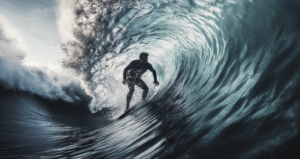
The wind dominates here, though. Pure surfers may find it frustrating. Meanwhile the chop disrupts clean wave faces. So check the forecast for calmer wind windows.
Gran Canaria: variety in one island
Gran Canaria packs huge variety into one round island. Different coasts work in different swells and winds. Furthermore, you can almost always find a sheltered spot. So it rewards surfers willing to drive around.
The best spots take effort to reach, though. Some sit down rough tracks or long walks. So a car and a little research help a lot.
The north coast power
The north around Las Palmas city holds quality reef. El Confital breaks as a world-class right. Furthermore, the wave draws serious local talent. The shallow reef demands real commitment.
El Confital sits beside a deprived district, though. Some visitors feel uneasy parking there. Notably, the localism adds another barrier. So go with a local or stay aware.
Gentler options near the resorts
The south near the resorts offers easier waves. Some sandy spots suit improving surfers well. Furthermore, the calmer conditions help build skills. The tourist infrastructure makes logistics simple.
These southern waves lack real quality, though. Serious surfers will find them dull. Meanwhile the resort crowds spill into the water. So treat the south as practice, not a highlight.
Best spots for beginners
Beginners need sand, gentle waves, and good schools. The Canaries offer all three in the right spots. Furthermore, choosing the correct beach keeps you safe. So start where the setup forgives mistakes.
Beginners must avoid the reefs entirely at first, though. The lava bottom causes serious injuries. So stick firmly to the sandy options below.
The safest sandy beaches
Fuerteventura’s Sotavento lagoon tops the beginner list. The flat shallow water removes most fear. Furthermore, Famara on Lanzarote offers gentle beach swell. Both have schools right on the sand.
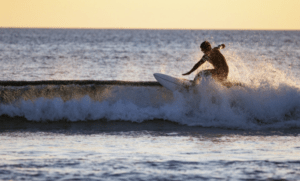
Crowds gather at these beginner spots, though. Collisions with other learners happen often. Notably, the schools manage their groups reasonably well. So a few lessons beat going it alone here.
Booking lessons and what they cost
A group lesson runs around 35 to 45 euros for two hours. Private lessons cost more, perhaps 60 to 80 euros. Furthermore, week-long packages bring the price down. Most schools include the board and wetsuit.
Quality varies between schools, though. Some pack too many students per instructor. Notably, reading recent reviews helps you choose well. So book with a school that limits its group sizes.
Best spots for intermediate surfers
Intermediate surfers can leave the nursery beaches behind. They need waves with shape and a little challenge. Furthermore, some forgiving reefs suit this stage well. So the islands open up considerably at this level.
Intermediates often overreach, though. The jump to shallow reef carries real risk. So progress gradually and honestly.
Stepping up to gentle reef
Tenerife’s El Médano offers manageable wind swell. The sandy patches reduce the reef danger. Furthermore, parts of Fuerteventura’s centre suit improving surfers. The waves there have shape without too much menace.
Conditions change fast at these spots, though. A gentle wave can turn heavy on a bigger swell. Notably, local knowledge prevents nasty surprises. So ask before paddling out on an unfamiliar day.
Reading conditions for yourself
Intermediates must learn to judge a spot alone. Watch the wave for fifteen minutes before entering. Furthermore, note where the waves break and the rips run. The size of the crowd hints at the difficulty.
Forecasts only tell part of the story, though. The reality at the beach often differs. Meanwhile swell and tide shift the waves through the day. So trust your eyes over any app.
Best spots for advanced surfers
Advanced surfers come to the Canaries for the heavy reefs. These waves rank among Europe’s best and most serious. Furthermore, the power and shallow rock demand full commitment. So this level unlocks the islands’ true potential.
Even strong surfers must respect these spots, though. The reefs and locals punish arrogance. So arrive humble and ready to wait your turn.
The serious reef breaks
Lanzarote’s El Quemao leads the list for power. Fuerteventura’s north reefs follow close behind. Furthermore, Gran Canaria’s El Confital offers a world-class right. Each breaks fast over shallow lava.
These waves carry genuine danger, though. Hold-downs and reef cuts come with the territory. Notably, rescue can be slow at the remote spots. So never surf these breaks alone.
Comparing the Canaries to other surf trips
Advanced surfers often tour Europe’s best waves. The Canaries reward a winter trip especially. For those comparing options, our guide to the best surf spots in Portugal covers a powerful Atlantic alternative. Spain’s mainland coast offers another strong choice.
Our guide to surfing mainland Spain maps out the northern beach breaks worth chasing. The French coast adds heavier beach break options too. Our guide to the best surf spots in France covers the powerful waves around Hossegor. So you can plan a wider Atlantic surf tour easily.
Surf camps and lessons
Surf camps make the Canaries easy to visit. They bundle lodging, lessons, and transport together. Furthermore, they suit solo travelers and beginners especially. So a camp removes much of the planning hassle.
Camps vary wildly in quality, though. Some prioritise parties over progression. So choose your camp with care.
What a good camp includes
A solid camp offers daily lessons matched to your level. It provides boards, wetsuits, and transport to the waves. Furthermore, the best ones keep coaching groups small. Accommodation ranges from dorms to private rooms.
Prices run from 400 to 700 euros for a week, though. The cheapest options often cut corners. Notably, food is not always included in the rate. So check exactly what the price covers.
Choosing between the islands for a camp
Fuerteventura hosts the most camps by far. Its range of waves suits mixed-ability groups. Furthermore, Lanzarote and Tenerife offer solid options too. The choice depends on your level and travel plans.
The busy camp scene crowds the beginner waves, though. Multiple camps share the same beaches. Meanwhile peak season fills every lineup. So book early for the best camps and quieter weeks.
When to go and what to expect
Timing your trip shapes the whole experience. The Canaries surf year-round, but seasons differ sharply. Furthermore, your skill level should guide your dates. So pick the window that fits your ability.
The islands stay popular all year, though. Flights and beds fill in peak weeks. So book ahead whenever you choose to go.
Winter swell versus summer mellow
Winter from October to March brings the real power. Consistent swell lights up every reef then. Furthermore, advanced surfers should target this season. The waves reach their biggest and cleanest.
Summer offers smaller, friendlier waves instead. Beginners and improvers do better then. Meanwhile the weather stays warm and settled. So match the season to what you can handle.
Water temperature and what to pack
The water stays mild by European standards. A 3/2 millimetre wetsuit covers most of the year. Furthermore, summer lets some surfers wear just boardshorts. Winter calls for a slightly thicker suit.
The sun stays strong year-round, though. Sunburn sneaks up on cloudy days. Notably, booties help on the sharper reefs. So pack reef-safe sunscreen and footwear for the rocks.
Safety, reef, and localism
Safety deserves real attention in the Canaries. The reefs and currents cause genuine injuries. Furthermore, localism adds a social hazard at the best spots. So respect both the ocean and the people.
Most trips pass without trouble, though. A little awareness prevents most problems. So learn the basics before you arrive.
Handling the reef and currents
The lava reef sits sharp and unforgiving. A bad fall can cut you deeply. Furthermore, strong currents run at many beaches. Booties and caution reduce the risks.
Currents catch out even strong swimmers, though. They drag you along or out to sea fast. Notably, surfing with others adds a safety margin. So never paddle out alone at an unknown spot.
Respecting local surfers
Localism is real at the Canaries’ best reefs. Regulars expect visitors to wait their turn. Furthermore, dropping in on locals invites real conflict. A respectful attitude smooths your welcome.
Some spots simply tolerate no outsiders, though. Pushing in there risks trouble. Notably, plenty of friendlier waves exist nearby. So pick your battles and surf where you are welcome.
Final thoughts before you book
The Canaries deliver surf for every level, with honest caveats. The right spot depends on your skill and season. Furthermore, the reefs reward respect and punish ego. So plan around your true ability, not your ambition.
The islands repay a little homework richly, though. Match the wave, season, and crowd to yourself. So your trip rewards the planning you put in.
Matching the island to your level
Beginners should head straight for Fuerteventura’s south. Its sandy beaches and schools build skills safely. Furthermore, intermediates can explore Tenerife and central Fuerteventura. Advanced surfers will chase Lanzarote and the heavy reefs.
No single island suits everyone, though. Your level and goals point the way. Notably, mixed groups do best on Fuerteventura. So choose the island that fits your whole party.
One last word on respect
The Canaries give generously to humble surfers. Respect the reef, the currents, and the locals. Furthermore, surfing within your limits keeps you safe. The waves reward patience over bravado every time.
Ego causes most of the trouble here, though. Overreaching leads to injury and conflict. Notably, the ocean always wins in the end. So leave your pride on the beach.
The Canary Islands remain one of Europe’s great surf destinations precisely because they refuse to flatter anyone. The volcanic reefs reward skill and punish carelessness in equal measure, and the localism at the best spots keeps the lineups honest. Pick the island and season that match your real ability, pack booties for the rock, and treat every unfamiliar break with caution. Whether you are standing up on a foam board at Sotavento or threading a barrel at El Quemao, the warm Atlantic water and the year-round swell will keep pulling you back. Surf smart, stay humble, and the islands will give you waves to remember.


Leave A Reply