

The Sardinia nobody puts on the postcard
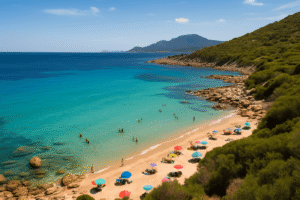
Everyone shows you the same photo of Sardinia. Turquoise water, white sand, an empty cove with nobody in it. That photo exists. However, the day you take it matters far more than the destination itself. Show up in early August and that empty cove holds three hundred people and a queue for the parking. Arrive in late May and you might have it alone for an hour.
I have visited Sardinia in four different months across several years. Each trip taught me something the guidebooks skipped. Therefore this post is less about ranking the prettiest beaches and more about timing. The right week changes everything here, from the price of your room to whether the ferry even runs.
Why timing beats location on this island
Sardinia is huge. In fact, it is the second largest island in the Mediterranean. The weather, the crowds, and the prices swing wildly between months. Moreover, the island almost shuts down outside the warm season. A restaurant that buzzes in July sits dark and shuttered in November. Knowing the rhythm saves you money and disappointment.
What this guide actually covers
Below I walk through every season honestly. Furthermore, I name the months I would book and the ones I would skip. I also cover the wind, the famous summer pricing, the regional differences, and the practical traps. Specifically, I flag the things that caught me out so they do not catch you out too.
Table of Contents
- The Sardinia nobody puts on the postcard
- The short answer on the best time to visit
- Spring in Sardinia: April to June
- Summer: July and August, the honest version
- Autumn: September and October
- Winter: November to March
- The wind nobody warns you about
- Where to go and when across the island
- What things really cost by season
- Getting there and getting around
- Visiting Sardinia with kids and babies
- Common mistakes first-time visitors make
- My honest verdict on when to go
The short answer on the best time to visit
If you want one sentence, here it is. The best time to visit Sardinia is late May through June, or all of September. These windows give you warm sea, open businesses, and far fewer people. Consequently they hit the sweet spot most travellers actually want.
The trade-off you are really making
Every month forces a compromise. July and August give you guaranteed heat and a full nightlife. However, you pay double and share the sand with thousands. May gives you space and low prices, but the sea still feels cool. Therefore your choice depends on what you can tolerate losing. I personally trade a slightly chilly swim for an empty beach every single time.
Who each season suits best
Families with school-age kids often have no choice and must come in summer. Couples and hikers should aim for spring or autumn instead. Meanwhile budget travellers should target late September, when prices drop but the water stays warm. Divers and snorkellers do best in early autumn too, since visibility peaks then.
Spring in Sardinia: April to June
Spring is my favourite season here, with one caveat. The island turns green and the wildflowers cover the hills. Notably, the maquis scrubland smells of myrtle and rosemary after rain. Prices stay low and the crowds have not arrived yet. However, the sea takes its time to warm up.
What April actually feels like
April is gorgeous on land and frustrating in the water. Air temperatures hover around 18 to 20 degrees Celsius. The sea, by contrast, sits near 15 degrees and feels icy. Many beach businesses also stay closed until May. Therefore April suits hikers and culture travellers more than swimmers. The Tiscali archaeological site and the Gola di Gorropu gorge are perfect in this cool air.
Why late May and June win
By late May the balance shifts. The sea climbs toward 19 or 20 degrees, which is swimmable for most people. Furthermore, almost every restaurant and lido reopens. Costa Smeralda still feels calm, and you can park near beaches that become impossible in July. In June the days stretch long and the evenings stay warm. For example, you can eat dinner outside at nine and still feel comfortable.
The honest spring warning
Spring weather is not guaranteed. Rain can sweep in, especially in April and early May. The Mistral wind also blows hard during these months. Some days the wind ruins the west coast beaches completely. Pack a fleece and a rain layer, even if the forecast looks sunny.
Summer: July and August, the honest version
Summer is what most people picture, and it delivers the postcard. However, it also delivers the bill and the crowds. August in particular is intense across the whole island. Italians take their own holidays then, so locals join the foreign visitors. As a result, the island hits maximum capacity.
The good parts of high summer
The sea reaches 25 to 26 degrees and feels like a warm bath. Every business stays open, and the nightlife runs late. Boat trips, beach clubs, and festivals fill the calendar. For families wanting guaranteed sun, summer removes all the weather risk. Specifically, you will not waste a single beach day to rain.
The brutal parts of August
Now the honest bit. Prices roughly double or triple compared to June. Popular beaches like Cala Goloritzé and La Pelosa now require paid reservations and daily visitor caps. La Pelosa charges around 3.50 euros per person and limits numbers to protect the sand. Moreover, the roads to famous coves jam solid by mid-morning. You must arrive before 9am or forget about parking entirely.
How to survive summer if you must come
Book everything months ahead, especially ferries and cars. Additionally, pick a base away from Costa Smeralda to save real money. The southwest around Chia or the Sinis Peninsula stays slightly calmer. Start your beach days at dawn and retreat indoors at midday. Meanwhile, save the inland villages for the afternoon heat, since they sit higher and cooler.
Autumn: September and October
September might be the smartest month of all. The summer crowds thin out fast once Italian schools reopen. Nevertheless the sea stays warm from months of sun. Prices fall sharply, and the light turns golden and soft. In short, you get summer sea with spring prices.
Why September is the insider pick
The water in September often beats July for warmth. It holds around 24 to 25 degrees well into the month. Furthermore, the beaches breathe again as families leave. You can actually park, find a sunbed, and hear the waves. Restaurants stay fully open through the month too. For diving and snorkelling, visibility reaches its yearly best right now.
How October changes the picture
October splits into two halves. Early October still feels like late summer, warm and bright. By contrast, late October cools noticeably and rain returns. The sea drops toward 21 degrees, still swimmable but less inviting. Many seasonal businesses also begin closing for winter. Therefore I would aim for the first two weeks of October at the latest.
The autumn catch
The weather grows less reliable as autumn deepens. Storms can roll in with little warning. Some boat excursions stop running once demand drops. Always check whether your planned trip still operates before you build a day around it. Even so, the trade-off usually favours the autumn traveller.
Winter: November to March
Winter Sardinia is a different island entirely. The beaches empty, the tourists vanish, and the coast goes quiet. Many coastal towns essentially hibernate until spring. However, the interior and the cities keep living their normal lives. This season suits a specific kind of traveller, not the beach crowd.
What stays open and what closes
Cagliari, the capital, stays lively all winter long. Its restaurants, markets, and museums keep regular hours. By contrast, resort towns like Villasimius or Santa Teresa shut almost completely. Hotels close, lidos vanish, and some roads see almost no traffic. Therefore base yourself in a real city, not a holiday village.
Why some people love winter here
Winter offers the cheapest flights and the calmest atmosphere. The mountains around Gennargentu sometimes get snow, which surprises people. Hiking the cooler trails feels wonderful without summer heat. Moreover, you experience the real Sardinia, the one locals live in. Carnival in February, especially in Mamoiada, shows a raw cultural side few tourists witness.
The winter reality check
Do not come to winter Sardinia for the beach. Swimming is off the table, and many days bring grey skies and rain. Public transport thins out, so a car becomes almost essential. Some smaller airports also cut routes during these months. Plan around culture and food, not sunbathing, or you will leave disappointed.
The wind nobody warns you about
Here is the thing the brochures bury. Sardinia is one of the windiest places in the Mediterranean. The Mistral, called Maestrale here, blows from the northwest. It can turn a calm beach day into a sandblasting ordeal. Importantly, understanding the wind shapes where you should go on any given day.
How the Mistral works
The Mistral arrives most often in spring and autumn, though it can blow anytime. When it picks up, the west and north coasts take the full hit. Waves build, sand flies, and umbrellas become weapons. Meanwhile the east and south coasts often stay sheltered and calm. Therefore you flip your plans based on the daily wind direction.
The wind as your friend
For surfers and windsurfers, the Mistral is a gift, not a curse. Porto Pollo in the north draws windsurfers from across Europe. If you chase wind sports rather than flee them, spring delivers the best conditions. Anyone who already loves the water might enjoy our guide to the best surf spots and seasons in Portugal for comparison with another European coast. The principle of reading wind and swell carries across both destinations.
Reading the forecast like a local
Check a wind app every morning before choosing a beach. Windy and similar tools show direction and speed clearly. On a strong Mistral day, head to a south or east cove. By contrast, a calm forecast opens the whole island to you. This single habit saved several of my beach days from ruin.
Where to go and when across the island
Sardinia is not one place with one climate. The regions feel genuinely different from each other. Consequently the best region depends heavily on your travel month. Matching your season to your region matters more here than almost anywhere else I know.
The famous north and Costa Smeralda
The north holds the glamour and the highest prices. Costa Smeralda built its reputation on celebrity yachts and luxury resorts. However, it empties and overcharges in equal measure depending on the month. June and September give you the beauty without the worst of the markup. In August, expect to pay restaurant prices that rival Monaco.
The wild east coast
The east coast, around the Gulf of Orosei, holds the dramatic cliffs and famous coves. Cala Goloritzé and Cala Mariolu sit here, reachable mainly by boat or long hikes. This coast stays sheltered when the Mistral blows, which helps. Nevertheless the boat trips book out fast in summer. Spring and autumn let you walk the trails without the heat.
The quieter south and west
The south around Chia and the southwest near the Sinis Peninsula feel calmer. Prices run lower and crowds thin out compared to the north. The west coast around Bosa and Alghero offers Catalan history and good food. By contrast, the west catches the wind more often, so check the forecast. I find the south the best value for a relaxed family trip.
What things really cost by season
Money drives a lot of the timing decision here. The seasonal swing in Sardinia is dramatic, more than many islands. Understanding the real numbers helps you plan honestly. Below I share rough figures from my own trips, acknowledging they shift year to year.
Accommodation across the seasons
A mid-range coastal hotel might cost 80 euros a night in May. The same room can hit 200 to 250 euros in August. September brings it back down toward 100 euros again. Therefore shifting your trip by a few weeks can halve your bill. Book early regardless, since the good value rooms vanish fast.
Food, transport, and extras
Restaurant prices stay fairly stable, though tourist zones charge more in summer. A plate of fregola with seafood runs around 14 to 18 euros. Car hire, however, swings wildly with season and demand. In August a small car can cost three times the May rate. Ferry tickets also spike, so book those the moment your dates are firm.
Where the hidden costs hide
Some costs surprise first-timers completely. Several famous beaches now charge entry or parking fees in peak season. Sunbed and umbrella rentals at lidos add up quickly, often 25 to 40 euros a day. Boat excursions to the Gulf of Orosei caves cost 40 to 60 euros per person. Budget for these extras, or they will quietly drain your wallet.
Getting there and getting around
How you arrive shapes your whole trip more than people expect. Sardinia has three main airports and several ferry ports. Your timing affects both availability and price heavily. Plan this part early, since it gets harder and pricier as summer approaches.
Flights versus ferries
Three airports serve the island: Cagliari, Olbia, and Alghero. Cagliari sits in the south, Olbia in the northeast, Alghero in the northwest. Pick the one nearest your base to save driving time. Ferries from mainland Italy and France also run, useful if you want your own car. However, summer ferry prices climb steeply, so book months ahead.
Why you almost certainly need a car
Public transport in Sardinia is thin outside the cities. Buses exist but run infrequently and skip many beaches entirely. Therefore a hire car is close to essential for a real beach trip. Reserve it the moment you book flights, especially for summer dates. Families planning to explore by road might find our guide to road-tripping around Europe with a baby useful for the logistics of driving with little ones.
Driving honestly assessed
Sardinian roads are scenic but slow and winding. Mountain routes take far longer than the map suggests. Coastal roads narrow sharply near popular beaches and clog in summer. Drive defensively, since local drivers move fast on these bends. Allow more time than your phone predicts for any inland journey.
Visiting Sardinia with kids and babies
Sardinia works well for families, with some honest caveats. The calm, shallow beaches suit small children beautifully. However, the heat and crowds of August can overwhelm little ones. Matching your timing to your children’s needs matters here. I would always pick the shoulder seasons with kids if school allows.
The best beaches for young children
The southwest and south hold gentle, shallow waters perfect for toddlers. Beaches like Chia and the Sinis Peninsula slope gradually into the sea. By contrast, the dramatic east coast coves often have deeper water and rocks. For babies and toddlers, choose the shallow southern beaches first. Shade matters too, so seek beaches with natural cover or rentable umbrellas.
Practical tips for travelling with little ones
Flying with a baby needs planning, especially in summer heat. Our guide to surviving a baby’s first flight covers the timing and packing that smooths the journey. On the ground, a sturdy buggy struggles on sand and cobbles. Reading our guide to choosing the best travel stroller for rough terrain helps you pick one that copes with Sardinian beaches and old town streets.
The family reality check
Sardinia is not the cheapest family destination in summer. Restaurant dinners run late, which can clash with young bedtimes. Some remote beaches lack toilets, shade, or easy parking. Pack water, snacks, and sun protection for every outing. Plan around midday naps and the fierce afternoon sun, especially with infants.
Common mistakes first-time visitors make
People repeat the same errors here every season. I made several myself on my first trip. Learning these in advance saves money, time, and frustration. Below are the traps I see most often catch newcomers.
Underestimating distances and the island’s size
Many visitors try to see the whole island in a week. This rarely works, since Sardinia is enormous and the roads are slow. Driving from Cagliari to Santa Teresa takes around four hours. Instead, pick one or two regions and explore them properly. Trying to do everything just means you see roads, not beaches.
Ignoring the wind and the closures
First-timers often book a west coast beach day without checking the wind. Then the Mistral sandblasts them and ruins the afternoon. Others arrive in May or October expecting full summer service. They find half the restaurants and lidos shut for the season. Check both the forecast and the seasonal openings before you commit.
Booking the famous beaches too late
Several iconic beaches now cap visitor numbers and require booking ahead. Cala Goloritzé and others sell timed entry slots that fill fast. People show up expecting to walk in and leave disappointed. Reserve these spots online days or weeks before, not on the day. This single habit prevents the most common summer letdown of all.
My honest verdict on when to go
After several trips across different seasons, my answer stays firm. Aim for late May, June, or September if you possibly can. These weeks give you the warm sea, the open businesses, and the breathing room that make Sardinia special. You sidestep the August prices and the crowds, while keeping nearly everything that draws people here. If school timetables trap you in summer, then go anyway, but book early, start your days at dawn, and base yourself away from the glossiest stretches of the north. Avoid deep winter unless culture and quiet, rather than the beach, pull you here. Above all, watch the wind, respect the island’s size, and resist the urge to cram everything into one trip. Sardinia rewards the traveller who slows down and times it right, and once you find your week here, you will likely spend the flight home already planning the next one.


Leave A Reply